 It's almost harbor seal pup season. The fencing was already up by the time we got back from Rome on Friday. We haven't seen any pups, yet. See April 15, 2009 for pics of last year's pups.
Tuesday, April 6, 2010

Sunday, April 4, 2010
Easter 2010 in the Highlands
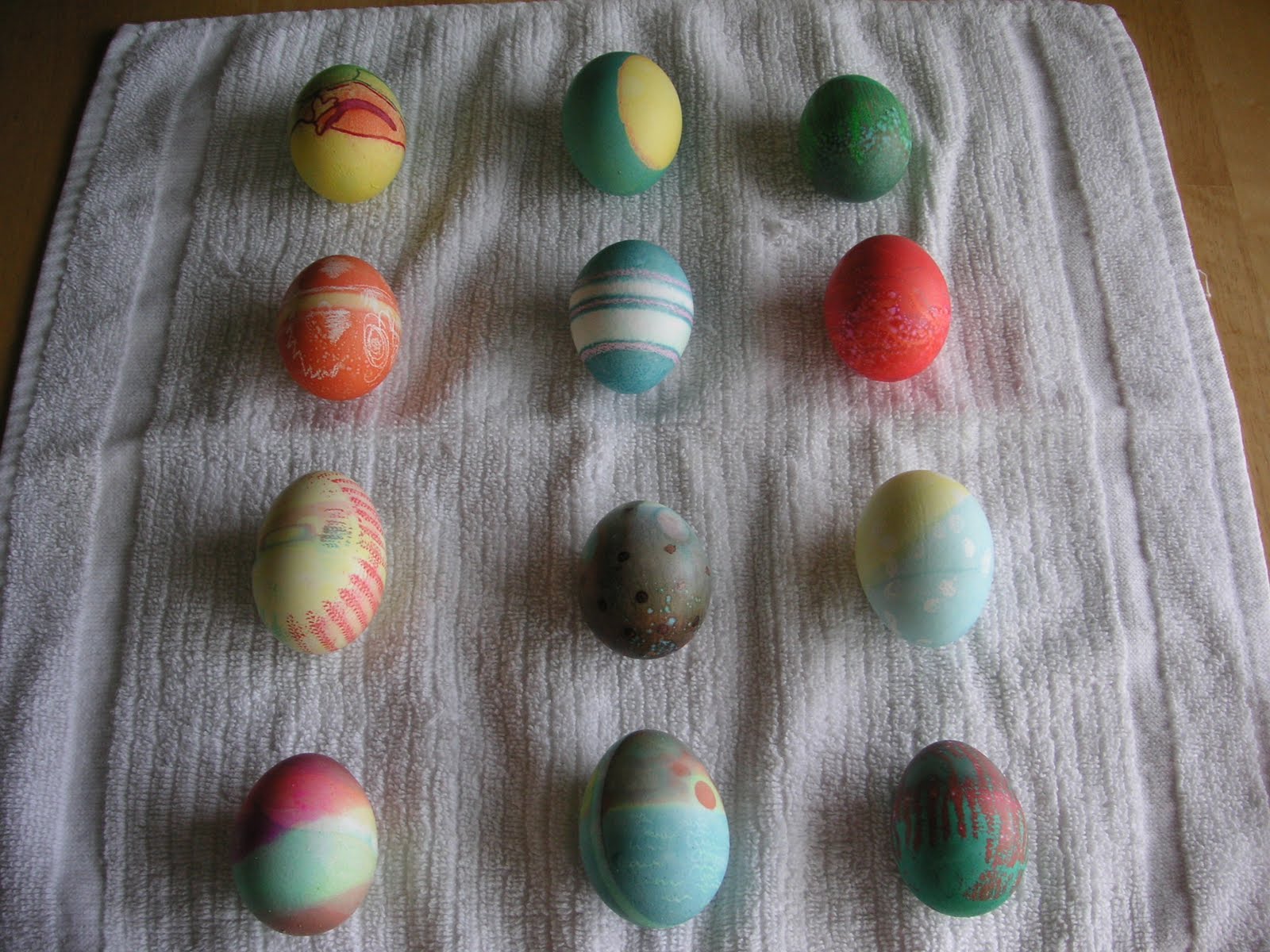 our eggs
 brightest flowers (tulips) that caught my eye
 Bird Island of Point Lobos
 hidden egg
 my favorite spring garden view
Realized I took similar pics last year, so am testing out how I want to post and label these...
We were fortunate that it didn't rain until late afternoon. There was a proliferation of calla lilies this year that isn't evident in any of the pics I've posted. Additionally, the hummingbirds were quite active, diving and chasing each other - as much as I'd love to post pics of them, I'm not fast enough with the camera.
I'm still not sure if these Easter pics are appropriate for this blog. Use the Easter label below to see last year's pics.
ps 02/19/11 - I don't know where else to express this. So, I'm including a copy of the local Monterey Herald's obit here before it disappears online:
Cynthia was born in Monterey, in 1915. Her parents, painter Theodore Morrow Criley and Myrtle "Tootie" Criley, were members of the early Carmel artists' colony. They built a house in Carmel Highlands, on the southern boundary of Point Lobos, and the family moved there when Cynthia was two. They traveled widely in Europe, spending a year in France when she was six and again when she was thirteen, which fostered in her an old-world sensibility. Back home, Cynthia attended Sunset School, Monterey Union High School, and Scripps College, Claremont.
In 1935 Cynthia married physician Russell Williams. They moved to New York, where she attended Barnard College, and started a family. In 1940, back in the Highlands, they built a house on the family property, designed by Cynthia's architect brother, Theodore. Although Russell's medical training and military service took the growing family at various times to Baltimore, Las Vegas, and Topeka, Carmel Highlands was always home, and where they finished raising their five children.
Cynthia's father was from a hotel-keeping family, and perhaps following this tradition Cynthia opened her home, welcoming neighborhood children, family friends and friends of friends, temperamental artists, struggling writers, serious scholars, lively fishermen, blossoming singer/song-writers, crazy carpenters, earnest scientists, left-wing politicians, student activists, weary world travelers, and wayward teenagers; people might come for the weekend and stay for months. She established an ever-evolving eclectic community, rich with traditions and rituals that she devised. Generations of children learned the joys of camping from her, and lounged on her couch reading comic books; no television allowed. Her menagerie over time included dogs, cats, horses, goats, chickens, ducks, geese, parrots, and injured wildlife (including a seal). The family was devastated by the loss of son Richard ("Red") Williams, who suffered from depression and took his own life in 1961. The marriage ended in 1963.
In 1956, Cynthia had begun purchasing small rental houses in Pacific Grove, and developed a career as a landlady. Her reputation for fairness and generosity spread, and her little houses were much in demand; many of her tenants became part of her extended family community.
Like her Civil Libertarian brother, Richard Criley, Cynthia was a committed advocate for civil rights. She was a true egalitarian who treated everyone alike (except for pregnant women and parents of small children, who got special dispensations). Even in her 90s she attended peace demonstrations on Highway One near her home.
Cynthia had a deep love of language and literature. Her love of learning was life-long; she began studying ancient Greek in her 80s. Her open-mindedness, her generosity of spirit, and her passion for thriftiness were legend. Her mottos were "Waste not, want not" and "It's a great life if you don't weaken." She loved her garden, her view of Point Lobos, summer fog, and a good cup of tea.
Marian "Bee" Chaffey, John Williams, Margaret "Honey" Williams, and Molly Williams are her living children. She leaves four grandchildren: John Chaffey, Margaret Chaffey, Richard Russell Williams, and Sarah Williams; four great-grandchildren; the vast extended family; and her devoted dogs.
In her last year Cynthia's health declined. Her family and friends gratefully acknowledge her superb team of caregivers: Henrietta "Cha Cha" Nuno, Eustacia Pedraza, and Anna Casteneda; and the wonderful services of Hospice of the Central Coast. Cynthia herself requested that her friends honor her memory with donations to the Bookmobile (The Monterey County Free Library System).
Nothing we can say here can adequately express our gratitude for her life.
-----
Here's a link to another blog I found in Cynthia's memory: http://designfaith.blogspot.com/2011/01/watching-over-point-lobos-watching-over.html
We were fortunate that it didn't rain until late afternoon. There was a proliferation of calla lilies this year that isn't evident in any of the pics I've posted. Additionally, the hummingbirds were quite active, diving and chasing each other - as much as I'd love to post pics of them, I'm not fast enough with the camera.
I'm still not sure if these Easter pics are appropriate for this blog. Use the Easter label below to see last year's pics.
ps 02/19/11 - I don't know where else to express this. So, I'm including a copy of the local Monterey Herald's obit here before it disappears online:
Cynthia Criley Williams
1915 ~ 2011
CARMEL HIGHLANDS - Cynthia Criley Williams, "the Mother of all Mothers," died peacefully at home on January 29, 2011 at the age of 95. Her memorial celebration will be held on Easter Sunday, April 24, 2011, following the traditional egg hunt in her garden.1915 ~ 2011
Cynthia was born in Monterey, in 1915. Her parents, painter Theodore Morrow Criley and Myrtle "Tootie" Criley, were members of the early Carmel artists' colony. They built a house in Carmel Highlands, on the southern boundary of Point Lobos, and the family moved there when Cynthia was two. They traveled widely in Europe, spending a year in France when she was six and again when she was thirteen, which fostered in her an old-world sensibility. Back home, Cynthia attended Sunset School, Monterey Union High School, and Scripps College, Claremont.
In 1935 Cynthia married physician Russell Williams. They moved to New York, where she attended Barnard College, and started a family. In 1940, back in the Highlands, they built a house on the family property, designed by Cynthia's architect brother, Theodore. Although Russell's medical training and military service took the growing family at various times to Baltimore, Las Vegas, and Topeka, Carmel Highlands was always home, and where they finished raising their five children.
Cynthia's father was from a hotel-keeping family, and perhaps following this tradition Cynthia opened her home, welcoming neighborhood children, family friends and friends of friends, temperamental artists, struggling writers, serious scholars, lively fishermen, blossoming singer/song-writers, crazy carpenters, earnest scientists, left-wing politicians, student activists, weary world travelers, and wayward teenagers; people might come for the weekend and stay for months. She established an ever-evolving eclectic community, rich with traditions and rituals that she devised. Generations of children learned the joys of camping from her, and lounged on her couch reading comic books; no television allowed. Her menagerie over time included dogs, cats, horses, goats, chickens, ducks, geese, parrots, and injured wildlife (including a seal). The family was devastated by the loss of son Richard ("Red") Williams, who suffered from depression and took his own life in 1961. The marriage ended in 1963.
In 1956, Cynthia had begun purchasing small rental houses in Pacific Grove, and developed a career as a landlady. Her reputation for fairness and generosity spread, and her little houses were much in demand; many of her tenants became part of her extended family community.
Like her Civil Libertarian brother, Richard Criley, Cynthia was a committed advocate for civil rights. She was a true egalitarian who treated everyone alike (except for pregnant women and parents of small children, who got special dispensations). Even in her 90s she attended peace demonstrations on Highway One near her home.
Cynthia had a deep love of language and literature. Her love of learning was life-long; she began studying ancient Greek in her 80s. Her open-mindedness, her generosity of spirit, and her passion for thriftiness were legend. Her mottos were "Waste not, want not" and "It's a great life if you don't weaken." She loved her garden, her view of Point Lobos, summer fog, and a good cup of tea.
Marian "Bee" Chaffey, John Williams, Margaret "Honey" Williams, and Molly Williams are her living children. She leaves four grandchildren: John Chaffey, Margaret Chaffey, Richard Russell Williams, and Sarah Williams; four great-grandchildren; the vast extended family; and her devoted dogs.
In her last year Cynthia's health declined. Her family and friends gratefully acknowledge her superb team of caregivers: Henrietta "Cha Cha" Nuno, Eustacia Pedraza, and Anna Casteneda; and the wonderful services of Hospice of the Central Coast. Cynthia herself requested that her friends honor her memory with donations to the Bookmobile (The Monterey County Free Library System).
Nothing we can say here can adequately express our gratitude for her life.
-----
Here's a link to another blog I found in Cynthia's memory: http://designfaith.blogspot.com/2011/01/watching-over-point-lobos-watching-over.html
Friday, April 2, 2010
pride of Madeira ~ 04/02/10 ~ at home
 pride of Madeira
Echium candicans
Boraginaceae
We leave for a couple weeks and the first thing I notice after the sun rises is the blooming pride of Madeira below our balcony. When we left, these were all green with many grey, spindly, dried sticks from last year's flowers - hey, it's in the park and no one deadheads. These are a little late blooming compared to others in town. Also, this is the first time I've noticed the two different colors, one blue, the other purple.
E. candicans is in the Borage family, which apparently includes the classic forget-me-not and fiddlenecks. Who knew!?! I would never have figured that out on my own. Everything I've seen on this plant says it's "resistant to deer." Haha, no wonder we have so much around town!
E. candicans is in the Borage family, which apparently includes the classic forget-me-not and fiddlenecks. Who knew!?! I would never have figured that out on my own. Everything I've seen on this plant says it's "resistant to deer." Haha, no wonder we have so much around town!
Monday, March 15, 2010
ciào for now
I've been so active on Nature ID lately that I don't want to leave some of you hanging. I'm heading to Italy and will get back to blogging in a couple of weeks. Sorry, most travel pics aren't posted here since they're outside of my "local nature" criteria for this blog. "Local" is defined as within a couple hours drive from the Central Coast of California. I'll publish your blog comments and reply once I return.
I spotted the first crane flies of the season in our stairwell last night. I'll be sad to miss capturing pics and posting the steady procession of at least 5 different crane fly species in the coming weeks. It's really quite a sight and I've been planning to document the timing of the different crane fly emergences since I started this blog last year... but who can say no to Rome?
As a heads up, the Pacific Grove Museum of Natural History is hosting the 49th Annual Wildflower Show, with much hard work by the local Monterey Chapter of the California Native Plant Society, on Friday, April 16-Sunday, April 18, 2010, 10am-5pm each day. It's well worth the $3 donation if you're interested in native plants! Usually, there are easily over 675 species and considering our spring rains, I'm expecting a bonanza year. I suggest going first thing Friday when all the cut wildflowers are still fresh. Vern Yadon, former director of PGMNH and author of Wildflowers of Monterey County initiated this annual wildflower exhibition and despite his gaining years is dedicated to spending an exhausting Thursday before the show-opening to ID every plant specimen brought in from the area (note: for some rare plants, he's managed to grow in pots to avoid the whole cutting issue). The CNPS members sell recommended plant ID books and will answer your questions. Last year I researched online and figured the CNPS's show is consistently the 2nd largest in the world, in terms of identified, wildflower species count. The granddaddy of them all is Western Australia's Ravensthorpe Wildflower Show. Some wildflower shows in South Africa are impressive, but they don't seem to be as consistent.
May you all enjoy the early weeks of spring's blessings!

I spotted the first crane flies of the season in our stairwell last night. I'll be sad to miss capturing pics and posting the steady procession of at least 5 different crane fly species in the coming weeks. It's really quite a sight and I've been planning to document the timing of the different crane fly emergences since I started this blog last year... but who can say no to Rome?
As a heads up, the Pacific Grove Museum of Natural History is hosting the 49th Annual Wildflower Show, with much hard work by the local Monterey Chapter of the California Native Plant Society, on Friday, April 16-Sunday, April 18, 2010, 10am-5pm each day. It's well worth the $3 donation if you're interested in native plants! Usually, there are easily over 675 species and considering our spring rains, I'm expecting a bonanza year. I suggest going first thing Friday when all the cut wildflowers are still fresh. Vern Yadon, former director of PGMNH and author of Wildflowers of Monterey County initiated this annual wildflower exhibition and despite his gaining years is dedicated to spending an exhausting Thursday before the show-opening to ID every plant specimen brought in from the area (note: for some rare plants, he's managed to grow in pots to avoid the whole cutting issue). The CNPS members sell recommended plant ID books and will answer your questions. Last year I researched online and figured the CNPS's show is consistently the 2nd largest in the world, in terms of identified, wildflower species count. The granddaddy of them all is Western Australia's Ravensthorpe Wildflower Show. Some wildflower shows in South Africa are impressive, but they don't seem to be as consistent.
May you all enjoy the early weeks of spring's blessings!