Sunday, June 2, 2013

CA market squid ~ 06/02/13 ~ Wharf No. 2

for more information, click here and here

I never realized market squid are so beautifully and intricately patterned when they're still alive and mad at being caught. Usually when I go to the local fish market at the end of the wharf, the squid have been dead for a bit and are ghostly pale white packed on ice.  For a quick primer on why and how squid change their colors, check out U.C. Davis-hosted CA Seafood Council. Usually, the only time I'm aware of the squid fishery in Monterey Bay is when the squid boats light up the bay night. For some reason the boats haven't been around much this year, which is interesting since we're finally having a good grunion year.  I forget people catch squid with poles and multiple splayed hooks that look a bit like miniature tinsel party decorations.  It doesn't take very long to jig a couple times and pull up a squid or two.  These are somewhat smaller than the market squid I've seen conveyor belted off the commercial squid boats.  Calamari anyone?

Friday, May 31, 2013

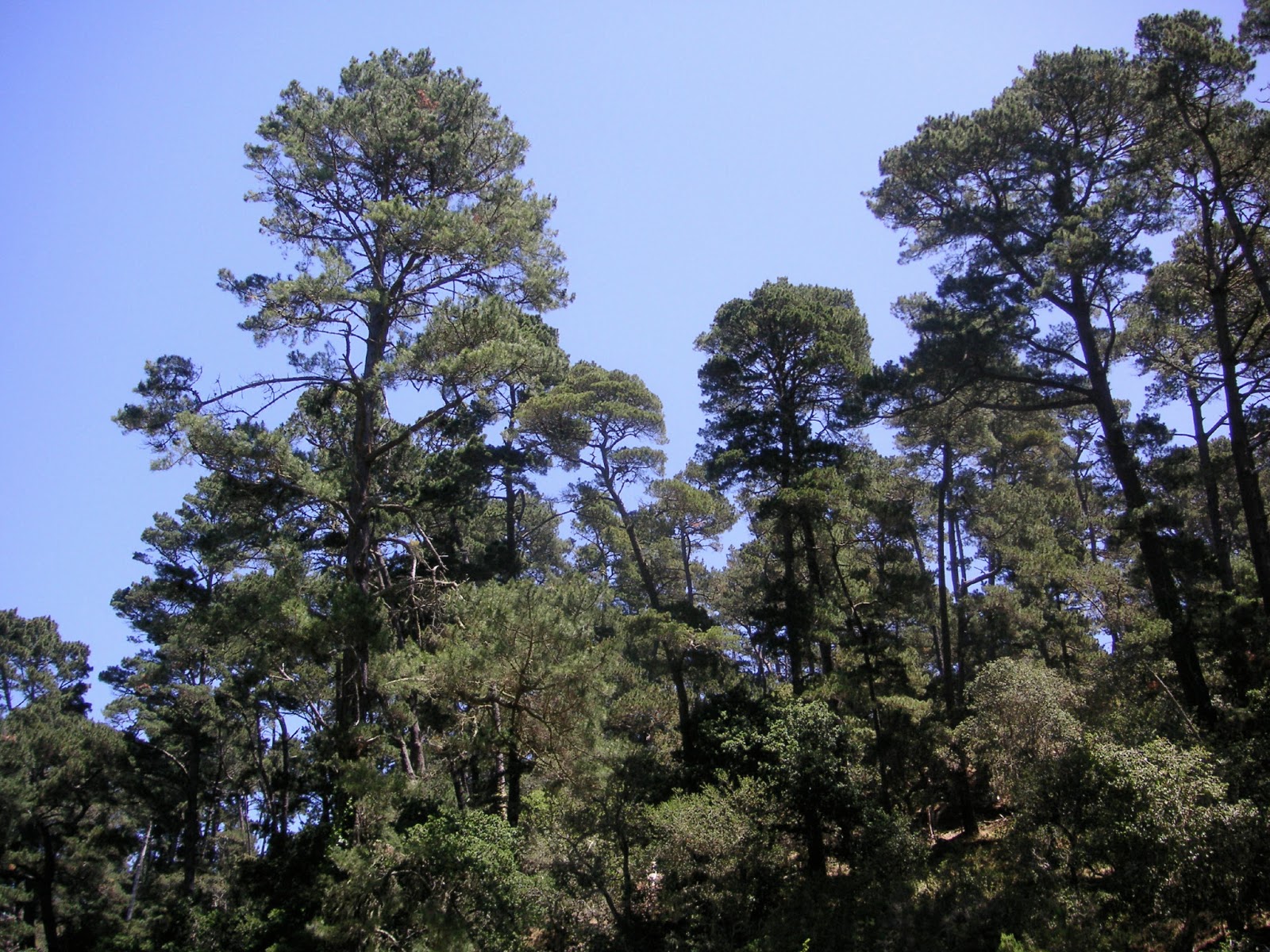
habitat ~ 05/31/13 ~ Hatton Canyon State Property


After I first visited Hatton Canyon back on February 4, 2011, I wasn't terribly impressed by the proliferation of non-native plants and haven't had a huge desire to return.  I do remember the auditory intensity of bird songs, which prompted a second worthwhile visit this past March 10. Unfortunately without accompanying photos, it didn't inspire me enough to break out of my winter blogging hiatus to write about the birds.  Then when Monterey County butterfly guy Chris Tenney and I were figuring out where to meet for the first time, he suggested Hatton.  Oh? Turns out this place is a butterfly hot spot.  So, while there are mostly invasive plants, like poison hemlock, nestled adjacent to rare native stands of Monterey pines, the fauna density is quite impressive.  It's amazing what a few short years can do to change my opinions. I was starting to get sucked into nativism, just shy of biological xenophobia, something that's been in the forefront of my consciousness lately.  Maybe it doesn't really matter, beyond the concerns of humans, if the thriving plants originated here or elsewhere?  The animals certainly don't seem to mind too much.  Maybe it's better to let nature run its course?

gray hairstreak ~ 05/31/13 ~ Hatton Canyon

 
for more information, click here and here

I have a strange compulsion to want to watch hairstreaks and closely related blues rub their hindwings together, similarly to how I like to watch cats clean their faces by licking their paws. It's my understanding that the prevailing hypothesis for why they do this is "false head" complete with eyespots and fake antennae to detract would-be predators from the real deal.  But, what about bramble hairstreaks and blues that do not have eyespots or tails and still rub their wings together?  In any case, I was quite charmed by this little gray hairstreak casually rubbing those rear wings with the tails even getting tangled together.

field crescent ~ 05/31/13 ~ Hatton Canyon


Grrr. All these naming variations are starting to really annoy me.  Once again, the common name is the best identifier.  BugGuide has a succinct explanation for why the multiple sp. names of the field crescent exist.  Based on what Chris Tenney told me, I knew this was the darker field crescent, as opposed to the orange and highly variable Mylitta crescent, which we also saw on this outing. Underside, they're both a patterned pale orange.  However, the orange-tipped antennae (click on pic to enlarge) tripped me up upon closer inspection. Even Jeffrey Glassberg in his multiple books has changed his tune about field crescents always having black antennal tips - they don't always.  It's posts like this that make me question why I'm even bothering with Nature ID.  Sigh.