grunion greeting
new moon, 10:45-11:30, clear skies
This was the last of
our grunion greeting for the year. Admittedly, we didn't put much effort into it after only seeing 2 grunion in the past 2 years and 9 visits. In 2009, we went out a total of 15 times and were marginally successful in finding grunion. That year we didn't mind the sleep deprivation that comes from late nights on the beach, often as late as 1:00 in the morning. As our schedules have become increasingly demanding, it's been harder and harder to keep the enthusiasm going. I've submitted all my findings... er, non-findings to Dr. Karen Martin's grunion greeting study at Pepperdine University.

Despite the lack of grunion sighting success, I'm glad we participated in the study. It got us out on the beach on a regular basis, something we never would have done, let alone at night. We've been able to notice the subtle changes on and around the beach, such as the flattening out of the beach surface itself and the addition of the neon blue lights to the pub building at the commercial wharf this year. I wondered if the bright lights affected the grunion runs on this particular beach as it is so bright and reflects in the water right where we used to spot grunion.

Above is the cement structure that I've mentioned so often in previous posts. It was our marker for where to turn around on the beach and head back to the commercial wharf. I didn't like hanging around, because people were often sleeping on the beach right there in the total darkness.
I had never heard the term
wrack before participating in this study. Thankfully we didn't have to ID it to submit reports. We only had to make a general estimation of how much was present, if at all. Generally there was very little wrack during grunion greeting nights, which I think had to do with the calm summer waves. As a side note, many sites still recognize
eelgrass as all belonging to
Zostera marina, which technically has skinny leaf blades of only 1.5-12mm wide, whereas
Z. pacifica has wider leaf blades 12-18.5mm.


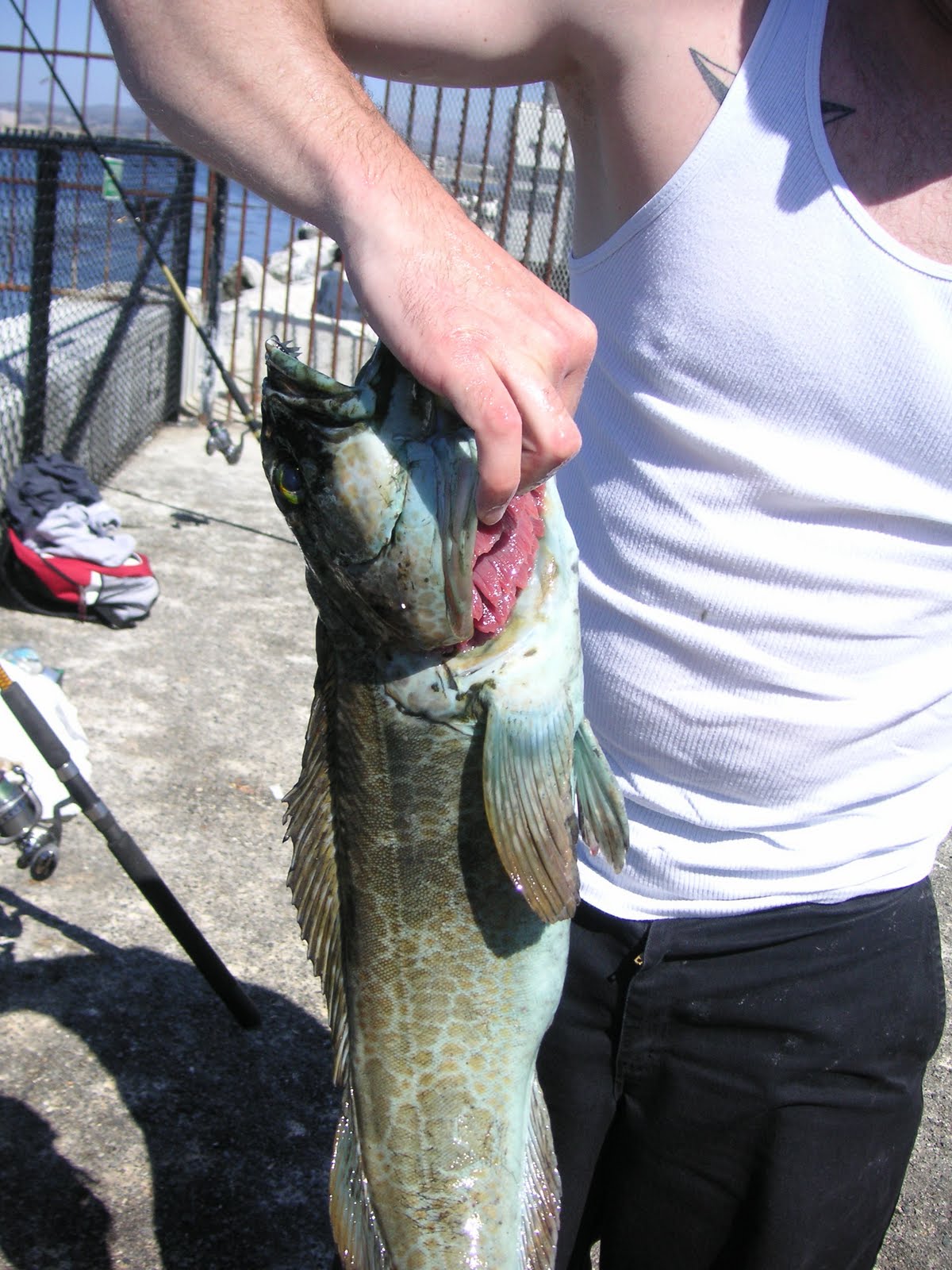
I think the most fun was having a chance to talk with local fishermen who we wouldn't normally meet. One fisherman told me the fish was a "monkey-faced spine fish." Thanks to the power of google I found the ID. It's a
prickleback, not an eel, so spine fish is a good descriptor. There's something really fascinating about how information is passed from one fisherman to another in a verbal way complete with stories (and exaggerations). There's a whole subculture to fishing. Names and such are not always correct, but when it comes down to it, all that really matters is, "
Is it good to eat?" I suggested to Karen that she might consider recruiting the local fisherman for watching grunion in Monterey. They're out late at night anyways. Who knows, we may or may not go grunion greeting next year.
ps - While searching for monkeyfaces online, I found this wacky, zany fishing music blog, the kind of gotta-love-people-who-are-real-yo:
The Monkeyface News.

 vivid dancer