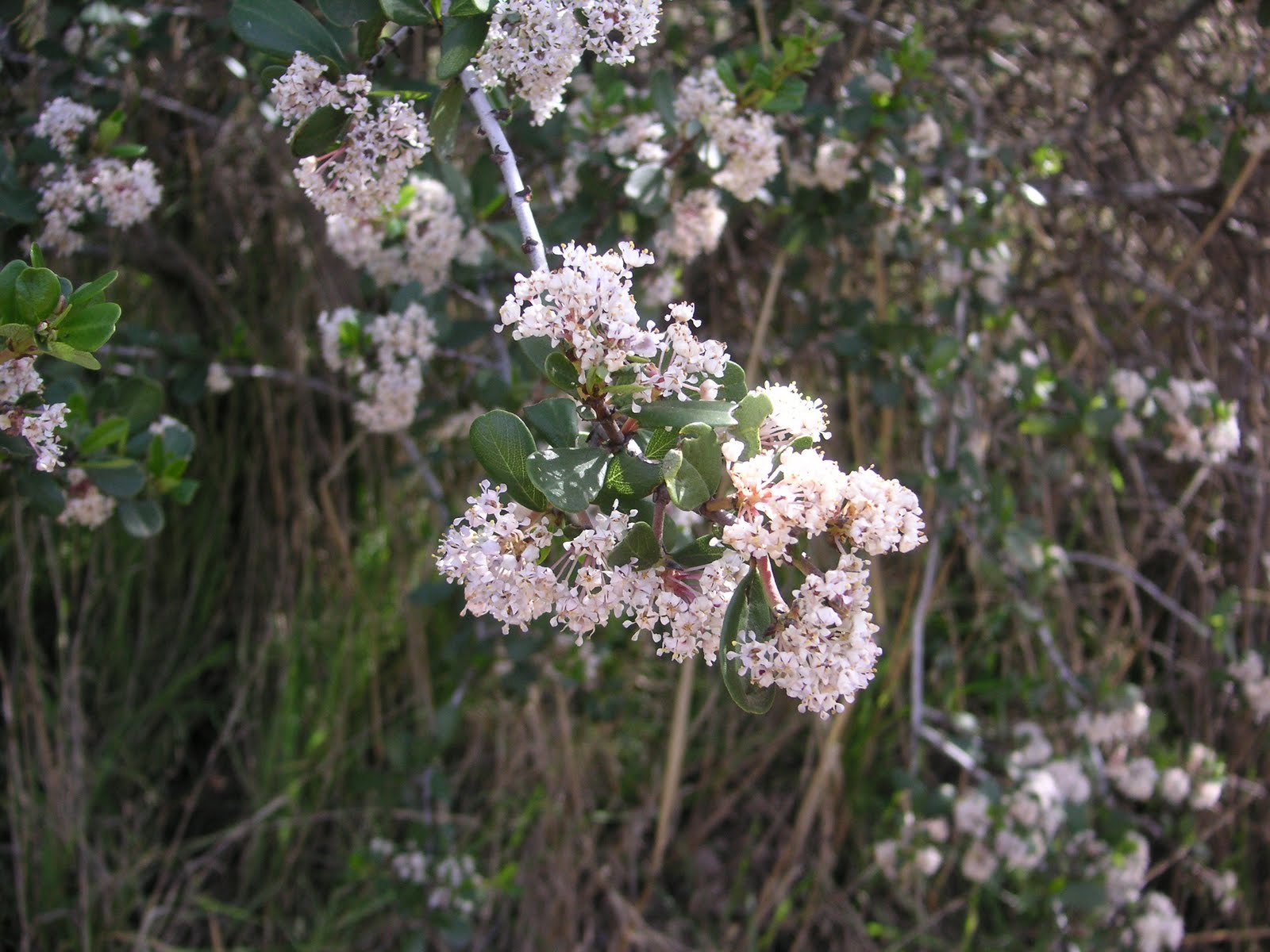
Here's one shrub that if it weren't blooming, I'd have no idea what it is based on the leaves. I think I've mentioned before that I generally ignore bushes. Maybe I've gotten used to seeing shrubs pruned to an inch of their life and not looking very natural in gardens and public spaces. They generally don't excite me. However, it is fun to see the bright yellow of this bush poppy on hillsides.
ps - For those who follow my blog through readers, you may have noticed an odd testing post yesterday. I'm trying to figure out a better way to manage my numerous labels. It used to be fairly easy when I only had 4 label groups: flowers, insects, birds, and location labels. I want to easily find past posts of specific groups, like poppies, without having to scroll down from here to eternity in the widgets on the right side of this blog, or having to continually, manually maintain the lists. I've found google's search widget to not be very effective for my own blog or other blogs. Right now I have 4 groups of lists for plants: ferns, flowers (garden flowers, native wildflowers, and non-native wildflowers), plant families, and trees & shrubs. I don't particularly like the idea of adding additional pages to the top of my blog, because personally I rarely click on those unless it's an "about." Does anyone have any ideas?
pss 07/21/11 - I've changed labels around for plants. To see lists of all plant labels see plant families and plants.